GLOBAL RECYCLING
  • Home
  • Magazine
  • Articles
    • Business Chances
    • Enterprises
    • Newsflash
    • Markets
    • Machinery
    • Processing Methods
  • Advertiser
  • Events
  • Media Kit
  • Imprint
  • Click to open the search input field Click to open the search input field Search
  • Menu Menu
  • Link to X
  • Link to Facebook
  • Link to Instagram
  • Link to LinkedIn
  • Link to Rss this site

INGEDE: Successful for Deinking Issues

In 1989, leading European paper manufacturers founded the “International Association of the Deinking Industry”.

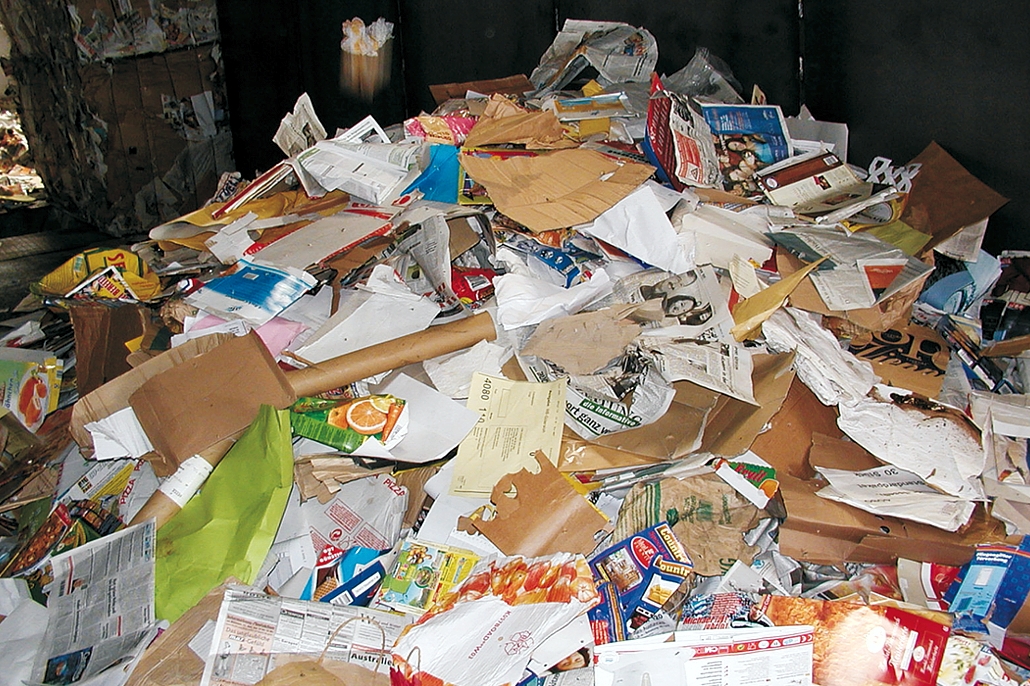
Deinking is a key process in paper recycling and means the removal of printing ink. The association, which celebrated its 30th anniversary, supports research in the field of deinking utilizing the work of well-known research institutes to fulfill the needs of its members. INGEDE also cooperates with other players in the field of recycling, as with printing ink and machinery manufacturers, paper finishing industry and suppliers of additives.

The annual events of INGEDE – as the symposium in February this year – coincided with the association’s 30th birthday. The meetings saw an increased number of attendees, over 50 percent more than two years ago, the association informed on its home­page. According to the information, the INGEDE Symposium is the only international meeting covering all aspects from recyclability and paper recovery to the treatment of paper for recycling. With more white packaging entering the recycling stream, these fibers would become increasingly interesting for deinkers.

A brief history of INGEDE

“INGEDE contributes to recycle paper to the highest level of purity and brightness while the world is still consuming natural resources as if they were unlimited,” was one of the key messages of Bernhard Steinbeis, the association gave account. Steinbeis was INGEDE’s founding chairman in 1989, the first in a row of five, followed by Erwin Krauthauf, Rolf Maisch, Ulrich Höke, and today Thomas Krauthauf. At the symposium in Munich, Thomas Krauthauf reported about the successes of INGEDE in the past – the first issue and the reason to join forces within INGEDE was to prevent the spread of water-based flexographic newspaper printing. INGEDE continued providing orientation for printers, converters, and their suppliers to improve recyclability; then also developing standards and methods to improve the quality of paper for recycling. INGEDE’s methods for incoming inspection of paper for recycling are internationally accepted standards today as well as the methods to evaluate the recyclability of printed products.

Ongoing tasks and challenges are new printing technologies and more complex paper products as well as the declining availability of white fibers in the paper for recycling, just to name a few. In his welcome address, Steinbeis did not only bring some allusions to politics but he also briefly touched upon the financial aspect of INGEDE membership: “The fees charged per ton of paper for recycling did not really hurt. INGEDE reduced the fee from 15 to seven cents per ton of paper for recycling while the world around is greedy without end.”

www.ingede.com

Photo: Brigitte Weber

(GR 22019, Page 21)

8,714
Share this entry
  • Share on Facebook
  • Share on X
  • Share on WhatsApp
  • Share on Pinterest
  • Share on LinkedIn
  • Share on Tumblr
  • Share on Vk
  • Share on Reddit
  • Share by Mail
https://global-recycling.info/wp-content/uploads/2019/06/Deinking-Issues-INGEDE.jpg 686 1030 msv2016 https://global-recycling.info/wp-content/uploads/2023/12/GR-Logo-250-100.png msv20162019-06-28 11:42:232019-06-28 11:42:23INGEDE: Successful for Deinking Issues
You might also like
Unlocking Private Climate Finance in Emerging Markets
BIR Global eForum – Paper: Paper Recycling Sector Needs to Be “Supported and Grown”
European Paper Recycling Award for German Research Project EnEWA
Conveyor Belts for Modern Sorting Technology
Philippines’ Waste and the Ban of Incineration
Collection of Flexible Packaging Waste Is Central to Achieving a Circular Economy Says CEFLEX

AD

Translation

GLOBAL RECYCLING

The Magazine for Business Opportunities & International Markets.

Global trends in the circular economy, particularly in the recycling and recovery industry as well as in waste recycling. Markets for technology, logistics and raw materials.
© MSV Mediaservice & Verlag GmbH
Privacy Policy

Check out our websites

EU-Recycling
Recyclingportal

Topics

Business Chances, Enterprises, Newsflash, Markets, Machinery, Processing Methods and Events.
In general: Recycling Industry, Circular Economy, Recycling Technology, Secondary Raw Material, Recycling, Recycling Markets, Collection, Reuse, Waste, Waste Management, Industrial Waste, Automobile Recycling, Scrap, C&D Waste, Electronic Scrap Recycling, Screening Machines, Separator, e-Waste, Sorter, Sensor Sorter, Splitter, Crusher, Shredder, Magnetic Separators, Metal Recycling, Ferrous, Non-Ferrous, Plastic Recycling, Scrap Recycling, Wastepaper, Plastic Waste, Second Hand Clothing, Textile Waste, Tyres, Hazardous Waste, Waste Processing Plants, Waste Legislation and much more.

Tags

AI aluminum batteries BIR China circular Circular Economy collection E-Waste economy energy EuRIC Europe FEAD Global Recycling Foundation India Industry landfill management metal metals packaging Paper PET plant plastic plastics Plastic Waste recovery Recycling Scrap Shredder shredding sorting steel sustainability Sustainable technology Textile Textiles USA waste waste management wastewater WEEE
Link to: Canadian Company Intends to Increase Rare Metal Recycling Link to: Canadian Company Intends to Increase Rare Metal Recycling Canadian Company Intends to Increase Rare Metal Recycling Link to: Spanish Ecotic Utilizes Sourcing Platform to Manage WEEE Materials Link to: Spanish Ecotic Utilizes Sourcing Platform to Manage WEEE Materials Spanish Ecotic Utilizes Sourcing Platform to Manage WEEE Materials
Scroll to top Scroll to top Scroll to top