GLOBAL RECYCLING
  • Home
  • Magazine
  • Articles
    • Business Chances
    • Enterprises
    • Newsflash
    • Markets
    • Machinery
    • Processing Methods
  • Advertiser
  • Events
  • Media Kit
  • Imprint
  • Click to open the search input field Click to open the search input field Search
  • Menu Menu
  • Link to X
  • Link to Facebook
  • Link to Instagram
  • Link to LinkedIn
  • Link to Rss this site

How the Plastics Value Chain Can Reduce Plastic Waste

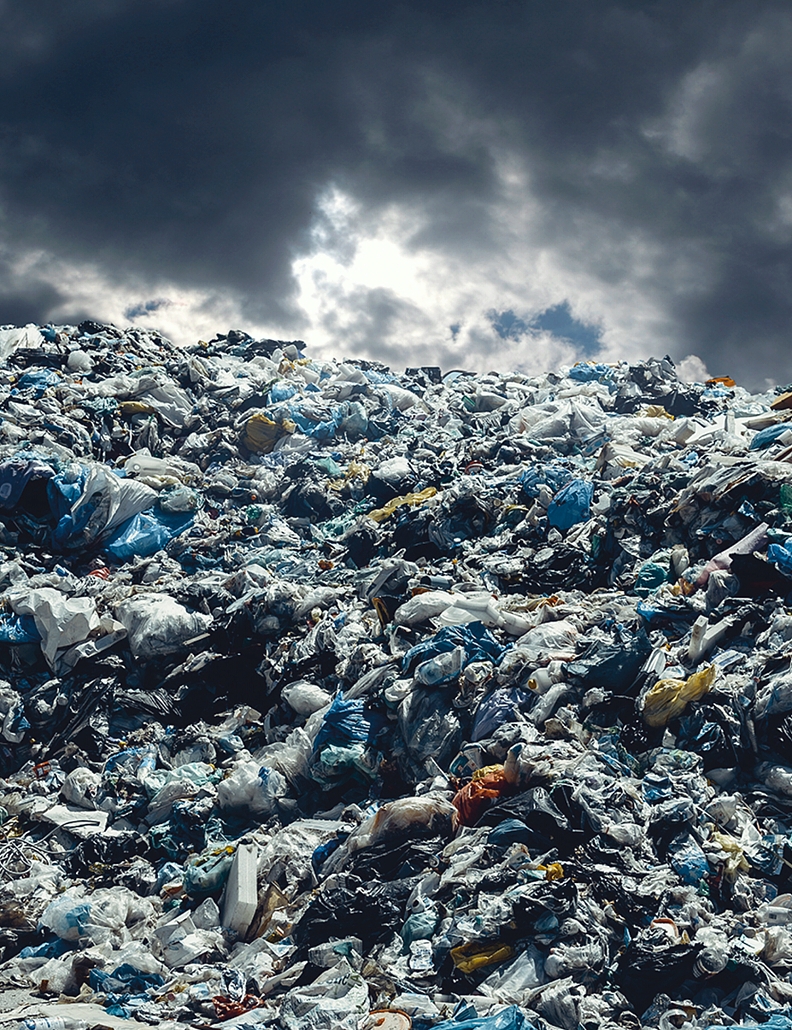
The existential threat to oceans and marine life is a good enough reason to cut plastics waste, profitable new business opportunities are another, the company Tomra Sorting Recycling says.

In June, the Norwegian-based company has published a new eBook, which shares transformational ideas for reducing plastic waste throughout the plastics value chain. The free-to-download publication (www.tomra.com/en/pvc-ebook) spotlights how wider adoption of a circular economy is not only vital for our environment, but can also bring new business opportunities.

Tomra’s latest digital book takes the realistic view that plastic has become irreplaceable in our everyday lives because of its many advantages, but action is needed urgently to prevent an exacerbation of the threat plastic waste is already posing to our oceans and marine life, the provider of instrumentation for recycling solutions emphasized. “What we do with the plastic after use and how the plastics re-enter the circular economy remains the crux of the matter. The recovery and reprocessing of plastic depend on the plastics value chain and a shared vision for success without compromising the environment.”

“By implementing effective measures in the plastics value chain, we can ensure the long-term health of our economies, communities and environment,” the company that is part of the initiative “Alliance to End Plastic Waste” is convinced. In this regard, its eBook flags-up the necessary actions by all key industry stakeholders: chemical and plastics manufacturers, consumer goods companies, retailers, consumers, waste management companies, recycling facilities, and legislators.

Beyond the environmental benefits of recycling waste, the publication observes how positive economic shifts can also be expected. “Economies built on use-once-and-discard are quickly embracing new business opportunities given the advanced sorting technologies that purify and deliver high-quality recyclates,” Tomra stated. A recent McKinsey report had estimated plastics reuse and recycling could generate profit-pool growth of as much as 60 billion US-Dollar for the petrochemicals and plastics sector.

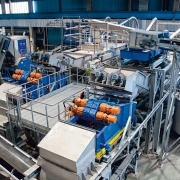
(GR 32019, Page 19, Photo: Tomra Sorting GmbH)

16,792
Share this entry
  • Share on Facebook
  • Share on X
  • Share on WhatsApp
  • Share on Pinterest
  • Share on LinkedIn
  • Share on Tumblr
  • Share on Vk
  • Share on Reddit
  • Share by Mail
https://global-recycling.info/wp-content/uploads/2019/09/Reduce-Plastic-Waste-Tomra.jpg 1030 792 msv2016 https://global-recycling.info/wp-content/uploads/2023/12/GR-Logo-250-100.png msv20162019-10-03 08:01:092019-09-19 14:37:48How the Plastics Value Chain Can Reduce Plastic Waste
You might also like
Steinert Extended Range of Sorting Equipment
Renewcell Ordered Shredders for its Textile Recycling Plant in Sweden
PUR-Recycling towards a Smart Circular Economy
Taiwan: Counting firmly on Circular Economy
International Take-Back of Old Equipment
Belgian Separation Technology Dominates the Global Plastic Recycling Transition

AD

Translation

GLOBAL RECYCLING

The Magazine for Business Opportunities & International Markets.

Global trends in the circular economy, particularly in the recycling and recovery industry as well as in waste recycling. Markets for technology, logistics and raw materials.
© MSV Mediaservice & Verlag GmbH
Privacy Policy

Check out our websites

EU-Recycling
Recyclingportal

Topics

Business Chances, Enterprises, Newsflash, Markets, Machinery, Processing Methods and Events.
In general: Recycling Industry, Circular Economy, Recycling Technology, Secondary Raw Material, Recycling, Recycling Markets, Collection, Reuse, Waste, Waste Management, Industrial Waste, Automobile Recycling, Scrap, C&D Waste, Electronic Scrap Recycling, Screening Machines, Separator, e-Waste, Sorter, Sensor Sorter, Splitter, Crusher, Shredder, Magnetic Separators, Metal Recycling, Ferrous, Non-Ferrous, Plastic Recycling, Scrap Recycling, Wastepaper, Plastic Waste, Second Hand Clothing, Textile Waste, Tyres, Hazardous Waste, Waste Processing Plants, Waste Legislation and much more.

Tags

AI aluminum batteries BIR China circular Circular Economy collection E-Waste economy energy EuRIC Europe FEAD Global Recycling Foundation India Industry landfill management metal metals packaging Paper PET plant plastic plastics Plastic Waste recovery Recycling Scrap Shredder shredding sorting steel sustainability Sustainable technology Textile Textiles USA waste waste management wastewater WEEE
Link to: South Korea: The Aim Is a Resource-Circulating Society Link to: South Korea: The Aim Is a Resource-Circulating Society South Korea: The Aim Is a Resource-Circulating Society Link to: Cambodia Refuses to Be a “Waste Bin” Link to: Cambodia Refuses to Be a “Waste Bin” Cambodia Refuses to Be a “Waste Bin”
Scroll to top Scroll to top Scroll to top