GLOBAL RECYCLING
  • Home
  • Magazine
  • Articles
    • Business Chances
    • Enterprises
    • Newsflash
    • Markets
    • Machinery
    • Processing Methods
  • Advertiser
  • Events
  • Media Kit
  • Imprint
  • Click to open the search input field Click to open the search input field Search
  • Menu Menu
  • Link to X
  • Link to Facebook
  • Link to Instagram
  • Link to LinkedIn
  • Link to Rss this site

USA: “Extended Producer Responsibility Increases Recycling Rates”

States can expect significant increases in recycling rates for packaging (including plastic, glass, aluminum and steel) and printed paper with the adoption of Extended Producer Responsibility (EPR) programs, according to a new study from the non-governmental organization “The Recycling Partnership”.

The study “Increasing Recycling Rates with EPR Policy” – published in February this year and conducted by the NGO – explores the impact of EPR programs in seven jurisdictions worldwide and six U.S. states, to assess the effect on state-level recycling rates and other key metrics. As reported, the research examined EPR’s impact on seven paper and packaging recycling programs worldwide. The findings showed that across the board, EPR policy drove the collection and recycling of target materials to over 75 percent in British Columbia, Belgium, Spain, South Korea, and the Netherlands, with Portugal and Quebec at over 60 percent, a press release informed. Across all materials, U.S. state programs performed far lower.

According to Keefe Harrison, Chief Executive Officer of The Recycling Partnership, lack of sustainable funding is one of the greatest challenges for U.S. residential recycling systems. “EPR provides a huge opportunity to unlock the environmental and economic benefits of recycling.” Under EPR policy, companies that produce packaging materials have to fund local recycling programs by paying fees, shifting the financial burden away from local governments and taxpayers, The Recycling Partnership explained. “EPR fees can also incentivize companies to make packaging more recyclable and use a greater percentage of recycled content. Four states (California, Colorado, Maine, and Oregon) have adopted EPR legislation. Several other U.S. states are currently considering these programs.”

As underlined, the study showed that implementing EPR programs in the states of the USA would:

  • Increase overall residential recycling rates by as much as 48 percentage points
  • Create nearly universal recycling access
  • Increase overall participation in recycling
  • Boost the amount of recycled content by millions of tons
  • Recapture between 13 million and 91 million US-Dollar in lost material economic value in EPR states

“With this research, we can see that these international programs drive dramatic improvement in recycling rates and that EPR policy has a significant impact. It is clear that well-designed EPR policy is key to growing and improving recycling and achieving a circular economy,” Dylan de Thomas, VP of Public Policy & Government Affairs at The Recycling Partnership, is convinced. “EPR has the potential to close gaps in recycling rates for all materials, create jobs, reduce greenhouse gas emissions, and deliver even more benefits to support people and planet.”

The report, “Increasing Recycling Rates with EPR Policy” is available at www.recyclingpartnership.org/eprreport/.

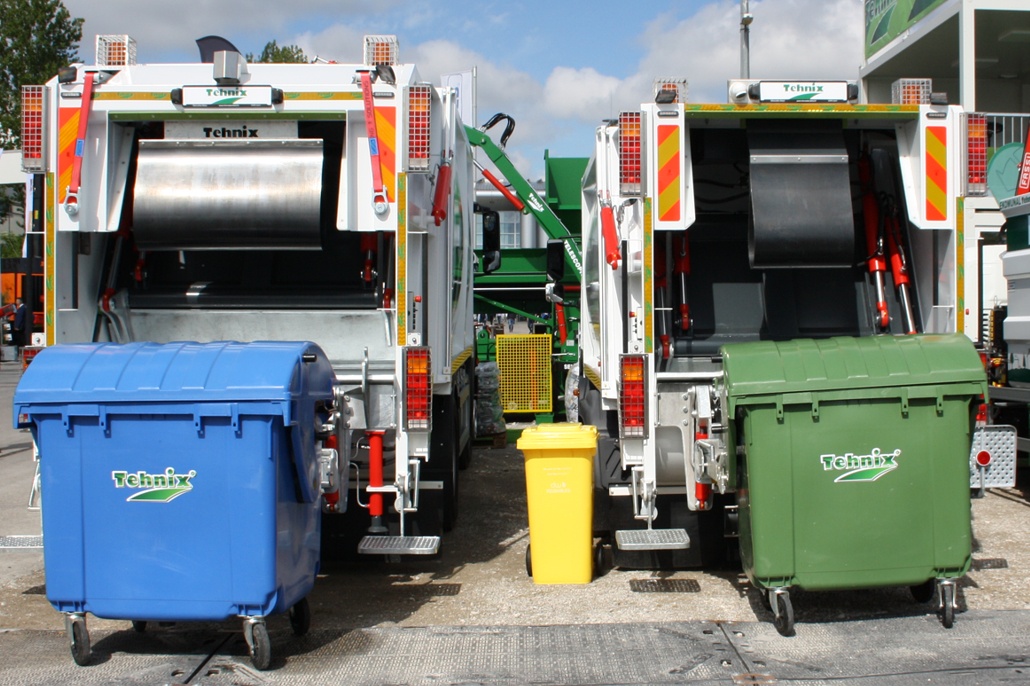
(Published in GLOBAL RECYCLING Magazine 1/2023, Page 14, Photo: O. Kürth)

5,158
Share this entry
  • Share on Facebook
  • Share on X
  • Share on WhatsApp
  • Share on Pinterest
  • Share on LinkedIn
  • Share on Tumblr
  • Share on Vk
  • Share on Reddit
  • Share by Mail
https://global-recycling.info/wp-content/uploads/2023/03/Increases-Recycling-Rates-123.jpg 686 1030 msv2016 https://global-recycling.info/wp-content/uploads/2023/12/GR-Logo-250-100.png msv20162023-04-16 09:36:062023-03-27 09:41:40USA: “Extended Producer Responsibility Increases Recycling Rates”
You might also like
Successful Paper and Cardboard Recycling in the U.S.
Report: The Future of Plastic Recycling
Meldgaard Recycling Processed IBA in Portugal
Collection of Flexible Packaging Waste Is Central to Achieving a Circular Economy Says CEFLEX
A New Wheel Loader for Recycling
Update by BIR Ambassadors: Lockdowns Exert a Stranglehold on Scrap Supply

AD

Translation

GLOBAL RECYCLING

The Magazine for Business Opportunities & International Markets.

Global trends in the circular economy, particularly in the recycling and recovery industry as well as in waste recycling. Markets for technology, logistics and raw materials.
© MSV Mediaservice & Verlag GmbH
Privacy Policy

Check out our websites

EU-Recycling
Recyclingportal

Topics

Business Chances, Enterprises, Newsflash, Markets, Machinery, Processing Methods and Events.
In general: Recycling Industry, Circular Economy, Recycling Technology, Secondary Raw Material, Recycling, Recycling Markets, Collection, Reuse, Waste, Waste Management, Industrial Waste, Automobile Recycling, Scrap, C&D Waste, Electronic Scrap Recycling, Screening Machines, Separator, e-Waste, Sorter, Sensor Sorter, Splitter, Crusher, Shredder, Magnetic Separators, Metal Recycling, Ferrous, Non-Ferrous, Plastic Recycling, Scrap Recycling, Wastepaper, Plastic Waste, Second Hand Clothing, Textile Waste, Tyres, Hazardous Waste, Waste Processing Plants, Waste Legislation and much more.

Tags

AI aluminum batteries BIR China circular Circular Economy collection E-Waste economy energy EuRIC Europe FEAD Global Recycling Foundation India Industry landfill management metal metals packaging Paper PET plant plastic plastics Plastic Waste recovery Recycling Scrap Shredder shredding sorting steel sustainability Sustainable technology Textile Textiles USA waste waste management wastewater WEEE
Link to: ARJES: Large-Scale Tire Recycling Demo Link to: ARJES: Large-Scale Tire Recycling Demo ARJES: Large-Scale Tire Recycling Demo Link to: Inter-Continental Agreement between ACE Green Recycling and Glencore Link to: Inter-Continental Agreement between ACE Green Recycling and Glencore Inter-Continental Agreement between ACE Green Recycling and Glencore
Scroll to top Scroll to top Scroll to top