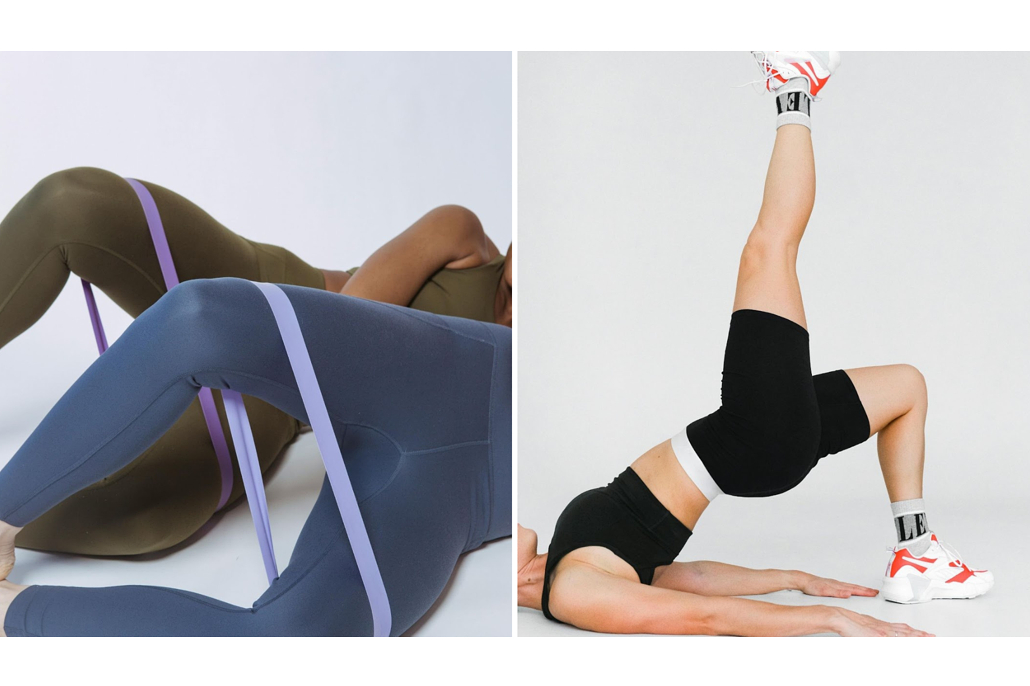
New Project on Textiles: Stretching Circularity
In February 2026, the organization Fashion for Good and partners launched the project “Stretching Circularity”, which is “dedicated to accelerating the adoption of lower-impact elastane alternatives that are compatible with circular textile systems”. By validating bio-based and recycled elastane solutions through pilot-scale testing and demonstrator garments, the initiative would aim to remove one of the most significant technical barriers to a circular textile economy.
According to the information, elastane is present in approximately 80 percent of all clothing. This material is added in varying concentrations (typically from one to five percent by weight in cotton or wool garments to up to 20 percent in polyester or polyamide garments) to provide stretch and comfort. This fossil-based material creates two critical sustainability challenges. It contributes to carbon emissions and non-renewable resource consumption across the industry. And “even minimal concentrations of elastane act as a ‘contaminant’ in textile recycling feedstocks, compromising fiber-to-fiber recycling of high-volume fibers like polyester and cotton. This effectively blocks circularity for the vast majority of clothing, leaving the industry with limited options beyond downcycling or landfill.”
“Stretching Circularity”, initiated by Netherlands-based Fashion for Good, is to tackle this challenge through two key work streams, which follows a pilot-scale validation approach to generate comparable data on performance, impact, economic feasibility and scalability.
- One workstream focuses on testing next-generation elastane materials made from alternative inputs, including bio-based materials and other feedstocks. This phase would include the creation of “demonstrator” garments, specifically a technical t-shirt (with 10 percent elastane) and a non-technical t-shirt (with two percent elastane).
- The other would focus on testing regenerated elastane made through emerging recycling innovations.
As reported by the organization, this work is driven by a coalition of industry stakeholders representing the entire value chain. The consortium includes Fashion for Good partners Levi Strauss & Co (Beyond Yoga), On, Paradise Textiles, Positive Materials, and Reformation, with Ralph Lauren Corporation as an Advisor. “Supported by ecosystem experts like Materiom and the Ellen MacArthur Foundation, the group will support knowledge sharing across the consortium to identify gaps and generate comparative data to de-risk the adoption of these circular solutions for the wider industry. ‘Stretching Circularity’ operates under a structured due diligence and validation framework to assess if alternative materials are not just conceptually sound but also meet the performance standards of conventional elastane.”
fashionforgood.com/case-study/stretching-circularity-project/
(Published in GLOBAL RECYCLING Magazine 1/2026, Page 34, Photo: Canva/Fashion for Good)